
PAT Unit B Chapter 1
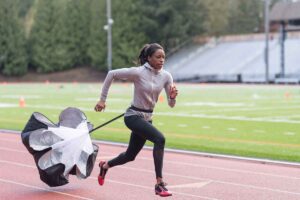
PAT Unit B Chapter 1 – Overview of Physical Education and Sports Sector | Class 12 Notes
Class: XII
Subject: Physical Activity Trainer (PAT)
Unit: B
Chapter: 1
Topic: Overview of Physical Education and Sports Sector
Introduction to PAT Unit B Chapter 1
PAT Unit B Chapter 1, Overview of Physical Education and Sports Sector, introduces Class 12 students to the importance of physical education, career opportunities in the sports industry, differences between physical activity, games, sports and recreation, and the role of sports in developing essential life skills.
Physical education is not limited to playing games or participating in competitions. It supports physical fitness, mental well-being, social interaction, emotional development and healthy living.
In this chapter, students will learn:
- The meaning and importance of physical education and the sports sector
- Major career opportunities in physical education and sports
- The difference between physical activity, games, sports and recreation
- How sports develop teamwork, leadership and discipline
- Important examination questions and MCQs
- Overview of Physical Education and Sports Sector
Physical education is an educational process that uses physical activities, exercises, games and sports to promote the overall development of an individual.
The physical education and sports sector includes educational institutions, sports academies, fitness centres, sports clubs, training organizations, event-management companies and other services related to physical activity.
Objectives of Physical Education
Physical development: Improving strength, endurance, flexibility, coordination and general physical fitness.
Mental development: Encouraging concentration, confidence, decision-making and problem-solving.
Social development: Teaching cooperation, teamwork, communication and respect for others.
Emotional development: Helping individuals manage stress, respond to challenges and develop resilience.
Character development: Promoting honesty, discipline, fair play, responsibility and sportsmanship.
Importance of the Physical Education and Sports Sector
- Promotes regular physical activity and healthy habits.
- Provides opportunities for recreation and social participation.
- Encourages sports talent identification and development.
- Creates employment in coaching, teaching, fitness and management.
- Promotes inclusion and participation among different age groups and abilities.
- Supports teamwork, leadership and community engagement.
- Contributes to the development of sports facilities, services and events.
Example: A school sports programme may improve students’ fitness while also developing leadership, cooperation and organizational skills.
- Career Opportunities in Physical Education and Sports Sector
Physical education offers career opportunities beyond competitive athletic participation. Students interested in teaching, coaching, fitness, management, journalism, photography or sports science can explore different professional pathways.
2.1 Physical Education Teacher
A physical education teacher provides structured physical education instruction in schools and other educational settings.
Main responsibilities:
- Planning physical education lessons
- Teaching exercises, games and sports skills
- Encouraging safe participation
- Assessing students’ progress
- Organizing school sports activities
- Promoting fitness, teamwork and fair play
Career preparation: Relevant recognized qualifications and eligibility requirements depend on the teaching level and recruiting institution.
2.2 Sports Coach
A sports coach helps athletes improve their skills, fitness, tactics and competitive performance.
Main responsibilities:
- Preparing training programmes
- Teaching sport-specific techniques
- Monitoring performance
- Providing feedback and motivation
- Encouraging discipline and sportsmanship
- Supporting safe training practices
Example: A badminton coach may help players improve footwork, serving technique, match strategy and endurance.
2.3 Sports Management
Sports management involves planning, organizing and administering sports-related programmes, facilities and events.
Major areas:
- Sports event management
- Sports marketing and sponsorship
- Facility management
- Team administration
- Budgeting and logistics
- Sports operations
Example: A sports event manager coordinates registrations, venues, officials, schedules and equipment for a tournament.
2.4 Fitness Trainer
A fitness trainer guides individuals in performing appropriate exercises to improve physical fitness.
Main responsibilities:
- Assessing general fitness goals
- Demonstrating exercise techniques
- Planning suitable exercise sessions
- Monitoring training progress
- Promoting safe exercise habits
- Encouraging regular participation
Fitness trainers may work in gyms, fitness centres, wellness facilities and personal-training settings.
2.5 Sports Equipment Manager
A sports equipment manager maintains and organizes equipment used during training and competitions.
Main responsibilities:
- Maintaining equipment inventories
- Checking equipment condition
- Arranging safe storage
- Coordinating repairs and replacements
- Distributing equipment for sports activities
Example: An equipment manager checks the availability and condition of balls, nets, protective gear and training accessories before an event.
2.6 Sports Journalist
A sports journalist collects, verifies and communicates information about sporting events, athletes and teams.
Career activities:
- Reporting sports news
- Interviewing athletes and coaches
- Writing match reports
- Producing digital sports content
- Providing commentary and analysis
Good communication, research and subject knowledge are important in this profession.
2.7 Sports Photographer
A sports photographer captures images of athletes, sporting events and important moments during competitions.
Sports photography requires camera skills, timing, composition and the ability to anticipate movement.
Photographers may work for media organizations, sports clubs, event organizers or independently.
2.8 Sports Medicine and Physiotherapy
Sports medicine focuses on the prevention, diagnosis and management of sports-related health problems.
Sports physiotherapists help assess and rehabilitate movement-related injuries within their professional scope.
Important: Medical and physiotherapy roles require appropriate professional education, qualifications and registration where applicable.
2.9 Sports Psychologist
A sports psychologist applies psychological knowledge to help athletes with issues such as motivation, concentration, confidence, performance pressure and mental skills.
Professional practice requires relevant specialized qualifications.
2.10 Sports Nutritionist
Sports nutrition professionals help athletes understand food, hydration and nutritional requirements in relation to training, recovery and performance.
Qualified professionals may work with sports teams, fitness organizations or individual athletes.
Revision point: Different careers in sports require different qualifications. A general Physical Activity Trainer qualification does not automatically qualify someone to practise medicine, physiotherapy, psychology or regulated nutrition services.
- Difference Between Physical Activity, Games, Sports and Recreation
These four terms are related but have different meanings.
3.1 Physical Activity
Physical activity refers to bodily movement produced by skeletal muscles that requires energy expenditure.
Examples: Walking, running, dancing, cycling, gardening and climbing stairs.
Physical activity may be part of daily life, work, transport or leisure.
3.2 Games
Games are activities involving rules, objectives and participation. They may be played for enjoyment, learning or competition.
Examples: Chess, carrom, hide-and-seek, ludo and informal team games.
Not all games require substantial physical exertion.
3.3 Sports
Sports are organized activities involving skills, established rules and often competition and physical performance.
Examples: Football, cricket, badminton, athletics, swimming and hockey.
Sports may be played individually or in teams, recreationally or competitively.
3.4 Recreation
Recreation includes activities undertaken during leisure time for enjoyment, relaxation and refreshment.
Examples: Hiking, gardening, reading, camping, dancing and recreational cycling.
Recreation may be physically active or relatively inactive.
Comparison Table
| Basis | Physical Activity | Games | Sports | Recreation |
| Main purpose | Movement and energy expenditure | Enjoyment, challenge or learning | Skill, participation or competition | Relaxation and enjoyment |
| Rules | Not always required | Usually present | Usually formally established | Optional |
| Competition | Not necessary | May be present | Often present | Not necessary |
| Physical effort | Required | Varies | Generally significant | Varies |
| Examples | Walking, jogging | Ludo, hide-and-seek | Cricket, badminton | Gardening, hiking |
Important examination point: A sport can also be a game, a form of physical activity and a recreational activity. These categories may overlap.
- Life Skills Developed Through Sports
Life skills are abilities that help individuals manage everyday challenges, interact effectively and make responsible decisions.
Sports provide opportunities to practise these skills in real situations.
4.1 Teamwork
Teamwork means cooperating with others to achieve a shared objective.
Example: Football players coordinate their movements and passes to create scoring opportunities.
4.2 Leadership
Leadership involves guiding, motivating and supporting others.
Example: A team captain encourages players and helps maintain team discipline.
4.3 Communication
Effective communication helps players share information, understand instructions and coordinate strategies.
Example: Volleyball players call for the ball to avoid confusion.
4.4 Discipline
Discipline involves following rules, maintaining routines and acting responsibly.
Example: An athlete attends training sessions regularly and follows competition rules.
4.5 Time Management
Time management is the ability to organize activities and use available time effectively.
Example: A student-athlete balances study, practice, rest and other responsibilities.
4.6 Decision-Making
Decision-making involves choosing an appropriate action from available alternatives.
Example: A basketball player decides whether to pass, dribble or attempt a shot.
4.7 Resilience and Dealing With Failure
Resilience is the ability to recover from difficulties and continue working toward improvement.
Example: An athlete analyses a defeat, identifies weaknesses and prepares for the next competition.
4.8 Hard Work and Perseverance
Regular practice helps athletes understand that improvement often requires patience, effort and consistency.
4.9 Responsibility and Commitment
Team members learn to fulfil assigned duties and contribute to shared objectives.
4.10 Sportsmanship
Sportsmanship means showing fairness, respect and appropriate behaviour toward teammates, opponents and officials.
Example: Congratulating an opponent after losing a match demonstrates sportsmanship.
- Importance of Life Skills in Sports
Life skills help athletes both during competitions and in everyday life.
They contribute to:
- Better cooperation and communication
- Improved confidence and decision-making
- Greater discipline and personal responsibility
- More effective responses to success and failure
- Respect for others and fair play
- Better management of time and responsibilities
For example, a student who develops teamwork through basketball may apply similar cooperation skills in classroom group projects.
- Important Short-Answer Questions – PAT Unit B Chapter 1
Q1. What is physical education?
Physical education is an educational process using physical activities, games, exercises and sports to support physical, mental, emotional and social development.
Q2. State four objectives of physical education.
Four objectives are physical development, mental development, social development and emotional development.
Q3. Name five career opportunities in the sports sector.
Physical education teacher, sports coach, fitness trainer, sports manager and sports journalist.
Q4. What is the difference between physical activity and sports?
Physical activity includes bodily movements that require energy expenditure. Sports generally involve organized participation, specific skills and established rules, often with competition.
Q5. What is recreation?
Recreation refers to leisure activities undertaken for enjoyment, relaxation or refreshment.
Q6. Explain the importance of teamwork in sports.
Teamwork helps players coordinate efforts, share responsibilities, communicate effectively and work toward common objectives.
Q7. How do sports develop discipline?
Sports encourage participants to follow rules, attend training regularly, respect officials and maintain responsible behaviour.
Q8. What is the role of a sports coach?
A sports coach plans training, teaches skills, monitors performance and motivates athletes to improve.
Q9. What is sports management?
Sports management involves organizing and administering sports events, facilities, teams and related activities.
Q10. How do sports help individuals deal with failure?
Sports provide opportunities to analyse setbacks, learn from mistakes, practise resilience and prepare for future challenges.
- Long-Answer Questions for Practice – PAT Unit B Chapter 1
- Explain the meaning, objectives and importance of physical education.
- Describe any five career opportunities in the physical education and sports sector.
- Differentiate between physical activity, games, sports and recreation with suitable examples.
- Explain the importance of life skills in sports.
- Describe the roles and responsibilities of a sports coach and physical education teacher.
- Explain how sports develop teamwork, leadership, discipline and time management.
- Quick Revision Notes
- Physical education promotes holistic development through physical activities.
- The sports sector offers careers in teaching, coaching, management, fitness and media.
- Physical activity involves bodily movement requiring energy expenditure.
- Games usually involve rules and objectives.
- Sports generally involve organized physical skills and established rules.
- Recreation focuses on leisure, enjoyment and relaxation.
- Sports can develop teamwork, leadership, discipline, communication and resilience.
- Different sports professions require different educational and professional qualifications.
MCQ PAT Unit B Chapter 1
PAT Unit B Chapter 1
PAT Unit B Chapter 1
PAT Unit B Chapter 1
PAT Unit B Chapter 1
PAT Unit B Chapter 1
PAT Unit B Chapter 1
PAT Unit B Chapter 1
PAT Unit B Chapter 1
PAT Unit B Chapter 1
PAT Unit B Chapter 1
PAT Unit B Chapter 1
PAT Unit B Chapter 1